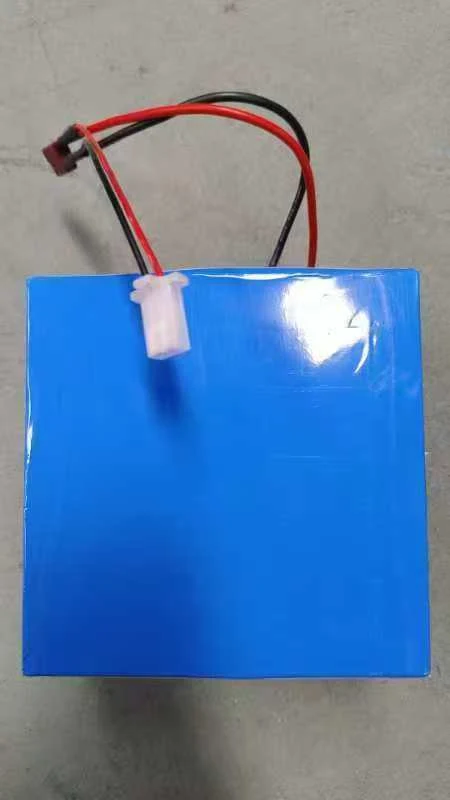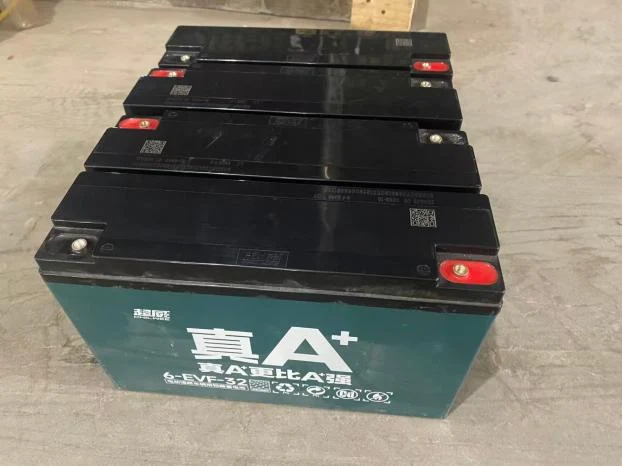
Forklift batteries warm during use and charging, but persistent abnormal heat, smoke, unusual odour, swelling, leakage or visible sparking require the truck to be taken out of use. Lead-acid and lithium batteries have different designs and care requirements. Identify the battery model before applying a procedure.
1. Stop use and charging
When it can be done safely, stop the task and charging using the truck and charger’s prescribed procedure, and notify the site supervisor. If there is smoke, irritating odour, continuing temperature rise or signs of fire, move away, keep others clear and activate the site emergency plan. Trained responders should manage the incident. Do not approach the fault simply to unplug, move the truck or retrieve the battery.
2. Record the fault and arrange qualified service
Keep the equipment out of service and identify it accordingly. From a safe location, record the truck, battery and charger models, displayed codes, timing and operating conditions. Give this information to the manufacturer or qualified service provider. Diagnosis may involve battery condition, charger compatibility, connections and the vehicle electrical system; it requires appropriate training, equipment and protection.
Do not feel the battery by hand to judge temperature. Do not open the pack, remove cells, short or bridge connections, bypass protection, force discharge or repeatedly attempt charging. Cooling down or supplying power again does not establish that the fault has cleared. Resume use only after the equipment has been checked and released for service.
3. Zero charge, failed charging or sparks
A zero display, inability to charge or repeated alarms call for service assessment. Sparking, burnt connectors, damaged cables and leakage also require use and charging to stop. Avoid contact with the faulty area and do not clean it yourself. Do not fit an incompatible charger, combine battery sections or remove a suspect cell to keep working.
4. Routine charging and storage
- Match the charger to the battery type, rating and vehicle requirements, and follow the original charging sequence.
- Use the designated area with required ventilation, away from ignition sources. Carry out checks only within your training and authorisation.
- For storage, follow the model-specific temperature, state-of-charge, inspection and recharge instructions. Lead-acid and lithium batteries do not share one universal routine.
5. Maintain useful records
Track changes in runtime, alarms and charging behaviour, and maintain the truck, battery and charger on schedule. Use the manufacturer’s limits for the exact battery model rather than general temperature or life claims. SOLAITE can help route equipment details to the appropriate after-sales service.